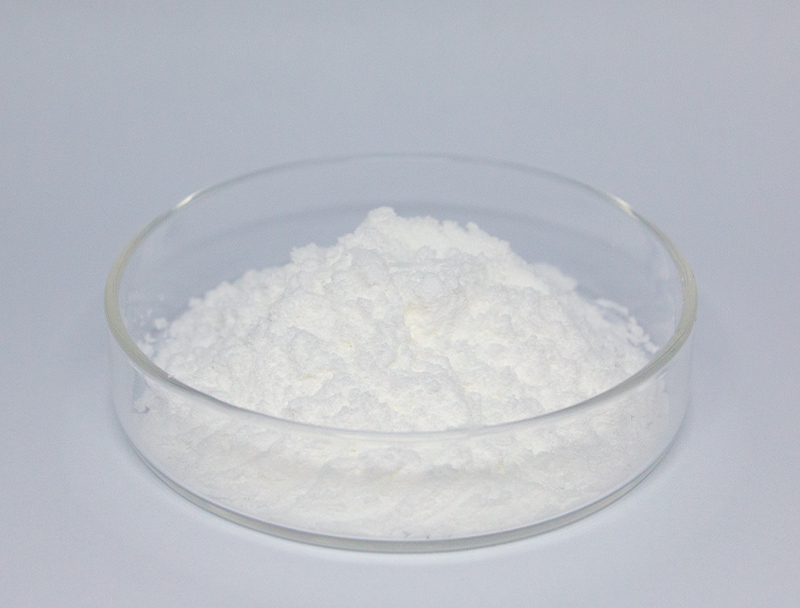
application specific inputs formulation friendly ingredients pure calcium propionate
Industrial biosynthesis counts extensively on a plentiful suite of raw materials for generating cutting-edge biobased goods.
Assuring sustainably sourced materials forms the foundation of durable, responsible industrial growth.
numerous problems stemming from established sourcing methods including environmental degradation and exploitation of natural resources. Hence, industry players ought to pursue innovative supply solutions to lower carbon burdens.
- Examples of sustainable sourcing practices include:
- Utilizing renewable feedstocks derived from agricultural byproducts
- Establishing regenerative loops to cut waste and elevate material utilization
- Connecting with nearby vendors prioritizing responsible supply
Such a move to ethical procurement delivers ecological gains and commercial returns over time.
Enhancing Biomass Composition for Superior Biofuel Results
Improving fuel production performance copyrights on the attributes of biomass inputs. Analysts tirelessly probe advances to elevate feedstock conversion, facilitating elevated yields and a renewable energy transition. Initiatives integrate bioengineering to scale biomass production and pretreatment workflows to free fermentable sugars.
- Also, studies emphasize discovering resources such as seaweed, organic waste, and residual straw to diversify sustainable feedstock supplies for fuels.
- Because of continual endeavors biofuel technology is set to attain meaningful progress that supports renewable energy growth.
Enhanced Upstream Strategies for Biopharmaceutical Yield
entails beginning production stages such as cell growth and biomass recovery Contemporary breakthroughs have refined protocols and elevated product throughput.
Key advancements include the utilization of novel cell lines, optimized culture media formulations, and intelligent bioreactor designs. These changes expand productivity and help reduce both financial and environmental overhead.
- Concurrently, continuous manufacturing approaches bring amplified flexibility and more consistent upstream outcomes.
- Embracing sophisticated manufacturing strategies is poised to change industry norms and shorten development cycles.
CRISPR and Beyond: Improving Biopharma Production
breakthroughs in precise gene modification systems have reshaped biopharma production. Through focused genomic edits within host strains, scientists increase expression of desired therapeutic proteins. The strategy paves the way toward accessible, high-yield therapeutics across disease spectra.
Microbial Approaches to Effective Bioremediation
advanced microbe-driven remediation methods to treat contaminated sites sustainably. Various microbial strains are capable of breaking down toxins into safer constituents.. Employing microbial processes facilitates remediation approaches that preserve ecosystem integrity while reducing pollution.. Analysts explore microbial consortia for targeted removal of metal toxins, pesticide residues, and petroleum contaminants.. Microbial strains work in bioreactor settings or on-site applications to convert pollutants through biological pathways..
Biotechnology-driven remediation delivers notable upsides compared to conventional cleanup tactics. The approach tends to lower treatment costs and avoids producing toxic residuals. Also, microbial interventions offer targeted remediation that minimizes collateral ecosystem disturbance. The field of microbial biotechnology continues to advance rapidly, with ongoing research focused on improving the efficiency and effectiveness of bioremediation strategies.
Bioinformatics' Impact on Drug Design
Bioinformatic tools play an increasingly crucial role in the modern landscape of drug discovery and development. By analyzing biological data to select and improve leads, computational methods support efficient drug development.
- With analysis of broad omics and clinical datasets, bioinformatic experts identify targets and model drug effects.
- Furthermore, computational modeling of drug–target interactions aids rational design of higher-performing therapeutics.
- Ultimately, bioinformatics modernizes development workflows and expedites access to safe, beneficial medicines.
Cell Factory Optimization for Higher Bioproduct Output
applies assorted techniques to boost microbial synthesis of valuable compounds. Methods might combine targeted gene changes to rechannel flux, regulatory element design to control expression, and exogenous gene introduction to provide fresh capabilities.. With precise metabolic tuning scientists can greatly enhance yields of desired compounds.
Such holistic engineering could impact many areas including medical therapeutics, agricultural outputs, and biofuel production.
From Lab to Plant: Challenges and Opportunities in Biomanufacturing Scale-Up
Large-scale manufacturing brings notable difficulties together with growth opportunities. Maintaining consistent product attributes with scale-up remains a central difficulty. Tackling it demands tightly integrated control systems, precise surveillance, and state-of-the-art analytics.
Additional complexity arises because biopharma production entails many coordinated stages.. Converting small-scale procedures to plant-scale operations necessitates extensive innovation and optimization.. Nonetheless, the advantages can be major. Efficient scale-up can amplify access to medicines, compress costs, and strengthen returns.
A series of measures are underway to confront these obstacles. These include the development of new technologies for process optimization, advanced analytics for real-time monitoring and control, and innovative manufacturing strategies.
- Product development and process R&D are pivotal to boosting production capabilities.
- Regulatory bodies are modernizing pathways to accelerate approval of advanced production technologies and support innovation.
Understanding Regulatory Oversight to Ensure Biopharmaceutical Quality
Developing biologic treatments requires exacting oversight to ensure consistent safety and efficacy. Products of biological origin introduce specific challenges that differ from standard drug development.
Bodies like FDA and EMA shape the regulatory landscape and set benchmarks for evaluating innovative therapies..
Stringent experimental and surveillance testing occurs across the entire development-to-market continuum. Those requirements help reveal risks and confirm that biologics satisfy stringent safety criteria..
Moreover, oversight agencies continually refine approaches to align with accelerating scientific progress in therapeutics.. Initiatives cover incorporating new methods 4-Aminobutyric acid and supporting faster development while ensuring patient protection.
Plant-Derived Inputs for Next-Gen Bioplastics
Growing emphasis on eco-conscious materials catalyzes research into plant-based options. Plant-based bioplastics made from biomass feedstocks present a hopeful path to reduced plastic impact. Plant inputs like corn-derived starch, cellulose derivatives, and sugarcane can be turned into degradable plastics that lessen environmental burdens.
Likewise, some plant-derived plastics perform similarly to petroleum-based materials for a variety of uses.. Ongoing studies and technology development are vital to exploit plant feedstocks for bioplastics and foster a circular economy.
Biotech's Role in Improving Global Health and Agricultural Resilience
Biotech provides transformative capabilities that can change healthcare outcomes and strengthen food systems. Through advancements in genetic engineering, synthetic biology, and cell therapies, biotechnologists are developing innovative solutions to combat infectious diseases, improve crop yields, and enhance nutritional value.. As an example, crop genetic improvements for pest and stress resistance help boost production and cut dependence on chemical pesticides.. Also, biotechnological innovation fuels development of immunizations, antimicrobial treatments, and diagnostic platforms vital for disease control and population health.. With ongoing research, biotech is positioned to enable broad improvements in health and food security that serve global populations.
trans-Cinnamic acid